Exploring the Landscape of Private Schools: Discovering the Perfect Match for Your Child
Exploring private school choices requires a deliberate approach. Households must consider academic reputation against school values. Classroom sizes and classroom environments serve important functions in tailored instruction. Engaging with enrolled families provides meaningful information, while reviewing academic and extracurricular programs ensures alignment with a student's goals. Understanding fee structures and financial assistance options is critical. As parents undertake this endeavor, a number of important factors will surface that could meaningfully affect their choice.
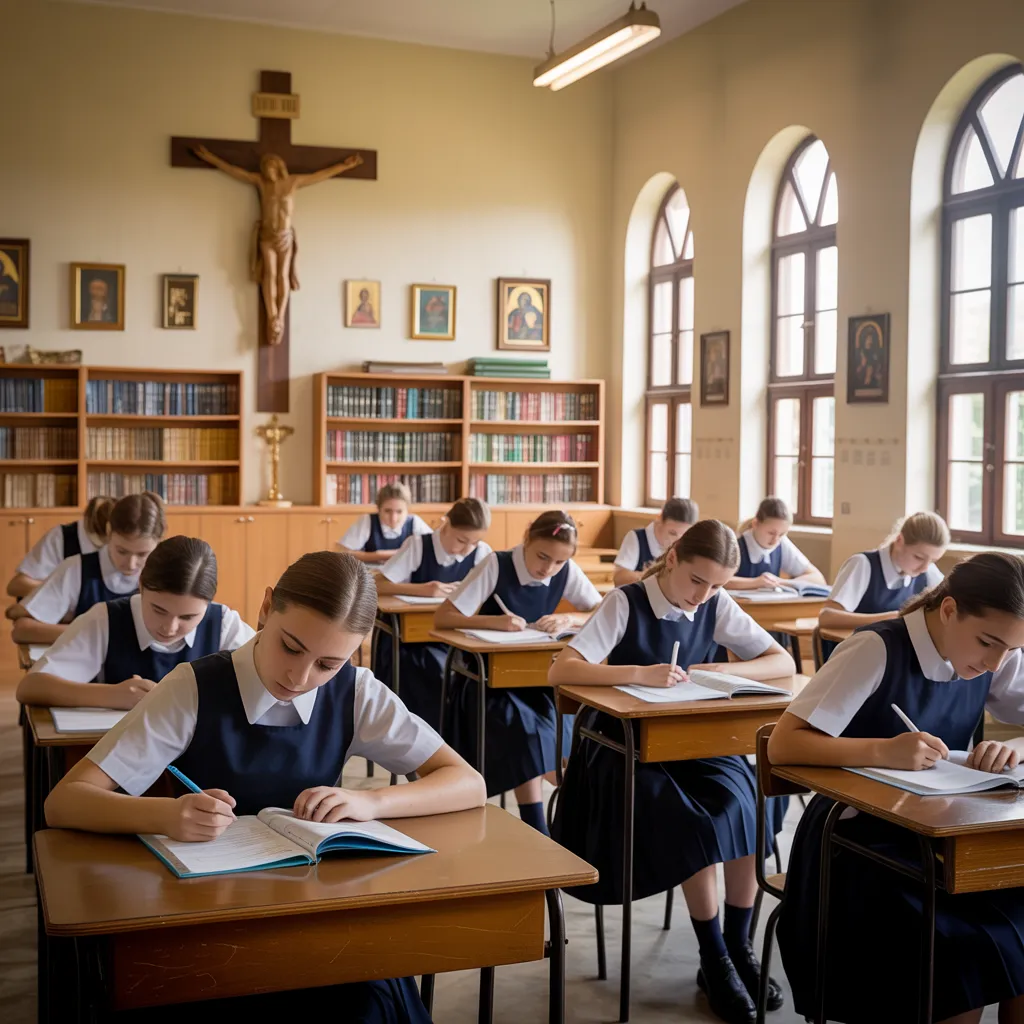
Essential Things to Keep in Mind When Choosing a Private School
When evaluating a independent school, how can parents ensure they make the best choice for their child? Essential elements to examine include the school's academic reputation, course offerings, and educational philosophy. Parents should examine the school's performance metrics, such as standardized test scores and college placement records. Additionally, recognizing the school's values and culture is important; some might emphasize intensive scholarly pursuits while others place importance on character development or the arts.
Touring the school and watching classrooms in action can provide insight into the learning environment and teaching methods. Parents should also consider classroom capacity and instructor-to-learner ratios, as these aspects commonly affect one-on-one support. Additionally, evaluating extracurricular activities and support services, including guidance counseling and specialized learning assistance, can ensure the institution addresses the student's comprehensive requirements. Connecting with existing families and enrolled students may provide priceless insights, helping families arrive at a knowledgeable and confident conclusion.
Exploring Types of Private Schools
Many kinds of private schools address varied educational philosophies and student interests. Faith-based schools typically blend faith-centered learning with academic subjects, focusing on character building alongside traditional subjects. Schools following the Montessori method are centered around autonomous learning, allowing children to examine and connect with learning materials independently, encouraging personal initiative and innovative thinking.
In contrast, Waldorf schools prioritize artistic expression and experiential learning, nurturing a holistic perspective on learning. Preparatory academic institutions concentrate on strict scholastic expectations, equipping students for higher education through challenging coursework and enriching extracurricular pursuits.
Specialty schools, such as those designed for academically advanced students or those with unique learning needs, provide tailored programs to meet unique needs. Additionally, international academies deliver world-class curricula, serving expatriate communities and encouraging multicultural awareness. Every category of private institution offers unique benefits, highlighting the importance of parents carefully assessing their child's personal learning preferences and goals when selecting the ideal setting.
How to Evaluate School Curriculum: Key Factors
When examining a private school's curriculum, understanding the curriculum structure is essential. This examination can uncover how subjects are organized and integrated, providing insight into the teaching philosophy. Furthermore, the diversity of disciplines provided serves an important function in meeting varied student interests and requirements.
Course Structure Summary
A comprehensive assessment of the school's academic program is crucial for parents looking to identify the most suitable learning experience for their child. Comprehending the framework of the curriculum involves analyzing its fundamental elements, such as academic targets, delivery methods, and performance measures. Parents ought to determine if the curriculum is compatible with their child's unique learning preferences and scholastic objectives. Furthermore, the progression and thoroughness of subject matter across grade levels demonstrate how effectively a school equips students for upcoming academic demands. Important factors include the balance between foundational skills and critical thinking development. In addition, parents should evaluate how technology and practical applications are incorporated, as these components can boost student involvement and meaningful learning. In the end, a thoughtfully designed curriculum can significantly influence a child's academic journey and achievements.
Why Subject Variety Matters
Evaluating the variety of disciplines offered at a private school is crucial for parents looking to offer a comprehensive education for their child. A diverse curriculum not only promotes academic progress but also supports critical thinking, creativity, and personal interests. Parents should evaluate whether the school provides a balance of core subjects, such as mathematics and science, alongside arts, humanities, and physical education. Furthermore, specialized programs like foreign languages, technology, and extracurricular activities can enhance a child's learning experience. It is also necessary to assess how the curriculum adapts to different learning styles, guaranteeing inclusivity for all students. By reviewing these factors, parents can form informed decisions that align with their child's unique strengths and aspirations.
Tuition and Financial Aid Summary
Understanding the economic aspects of private education is crucial for families. This involves grasping diverse fee structures and the types of financial assistance accessible, such as grants and scholarships. An informed approach can assist families consider their alternatives with confidence.
Exploring Tuition Structures
While traversing the terrain of private schooling, families must grasp the diverse tuition structures and financial aid options offered. Private school tuition can differ significantly, often dependent on the institution's facilities, reputation, and location. Typically, families come across different models: comprehensive fees, fixed tuition, and sliding scale options that may include extracurricular activities and textbooks. Recognizing these structures is essential, as some schools may apply supplementary charges not reflected in the base tuition. Furthermore, payment plans can vary, offering families choices between annual, semester, or monthly installments. By acquainting themselves with these aspects, families can reach well-considered conclusions that align with their financial situations while guaranteeing their child receives the appropriate educational support.
Types of Financial Aid
Maneuvering the financial terrain of independent education often leads families to explore several financial aid. Aid options typically include need-based aid, which is determined by the family's economic circumstances, and merit-based assistance, awarded for academic, athletic, or artistic accomplishments. Some schools offer payment plans that permit families to divide tuition costs over the academic year, easing financial strain. Moreover, loans are often accessible, allowing families to fund education expenses with structured repayment arrangements. Some institutions provide discounts for siblings enrolled or for early payment. Understanding these financial aid types enables families to reach informed decisions, allowing them to secure a workable approach that fulfills their child's learning objectives without compromising their financial stability.
Available Scholarships and Grants
How can families successfully navigate the landscape of financial awards and grants available for private education? Familiarizing oneself with the various financial aid opportunities is vital for making private schooling attainable. A great number of private schools present merit-driven scholarships that honor artistic skills, academic excellence, or athletic talent. Additionally, need-driven grants examination can considerably ease tuition costs for families facing financial constraints.
Investigating educational nonprofits, local organizations, and community foundations can uncover outside scholarship options. Families may also benefit from applying for government aid programs at the federal and state levels, which may offer additional financial assistance. By carefully reviewing deadlines and eligibility requirements, families can more effectively pursue the necessary funding, guaranteeing that their child's path to education is consistent with both ambitions and financial boundaries.
Assessing Extracurricular Opportunities and Community Culture
What factors contribute to an engaging community environment and abundant extracurricular activities in a private school? First, dedicated leadership and a focused mission foster a sense of belonging among students and families. Schools that champion inclusivity and diversity create an environment where all voices are heard, enhancing community engagement. Additionally, a wide array of extracurricular activities—spanning from athletics and creative arts to academic organizations—empowers students to discover their talents and grow outside of academic settings.
In addition, meaningful parent engagement can enhance the educational environment, promoting bonds between parents and educators. Frequent gatherings, such as volunteer initiatives or cultural events, solidify these connections and develop a sense of shared purpose. Above all, a vibrant private school environment complements its after-school activities, confirming that students thrive academically while becoming well-rounded individuals in a supportive environment.
Engaging With Schools Through Visits: Best Practices
Discovering the lively community culture and extracurricular activities at a private school often commences with a campus visit. Parents and families should schedule tours during school hours to witness daily routines, allowing them to evaluate the school's environment and student engagement. It is advisable to prepare a list of key aspects to consider, such as classroom dynamics, facilities, and academic support services.
During the visit, parents and kids should speak with faculty and staff, learning about academic philosophies and offered resources. Connecting with existing students can also reveal important details about the social atmosphere of the school. Observing how teachers communicate with students can highlight the degree of care and support offered.
Additionally, participating in open houses or information sessions can deepen understanding of the school's values and curriculum. When all is considered, these exchanges are key to establishing whether a school matches the family's educational goals and expectations for a caring and nurturing environment.
Important Questions for Private School Admissions
When exploring the private school admissions process, families often wonder which questions will most effectively uncover a school's appropriateness for their son or daughter. Key inquiries should address academic programs, teaching philosophies, and extracurricular offerings. Parents might ask about the size of classes and student-to-teacher ratios, as such elements can impact individualized attention and assistance.
Asking about the school's stance on diversity and inclusion can further provide insights into its community values. Additionally, evaluating the school's disciplinary policies and available services, such as counseling services or special education support, is crucial for assessing overall student health and wellness.
Families should also consider the school's history of college admissions and graduate achievements. Lastly, assessing the degree of parental engagement and dialogue can help measure how well the school matches the family's educational philosophy. Together, these inquiries build a comprehensive picture of the school's atmosphere and its suitability for each unique child.
Commonly Asked Questions
What Are the Most Common Misconceptions About Private Schools?
Common misconceptions about private schools encompass the notion that they serve only high-income households, that they ensure exceptional scholastic achievement, and that they are deficient in diversity. These assumptions often overlook the variety of available options and experiences.
How Do Private Schools Address Special Education Needs?
Private schools often provide tailored help for those requiring special educational accommodations, including customized academic programs, trained professionals, and resources. Nevertheless, the level of support varies considerably between institutions, necessitating thorough evaluation by families seeking appropriate accommodations.
What Is the Standard Class Size at Private Schools?
Typical class sizes in private educational institutions range from 10 to 20 students, allowing for more personalized attention and adapted learning experiences. This more intimate setting generally strengthens pupil engagement and cultivates stronger relationships between educators and students.
How Do Private Schools Help Students Transition to College?
Private institutions frequently provide extensive college counseling services, personalized academic guidance, and strong co-curricular offerings. These resources help students develop essential skills, build strong applications, and navigate the college admissions process effectively.
What Are the Lasting Effects of Attending a Private School?
Enrolling in private school commonly produces improved academic outcomes, better preparation for higher education, and more robust social connections. Former students may experience greater employment opportunities and lasting relationships, contributing positively to their individual and professional growth for years to come.
Comments on “Central Illinois Private Schools learning options”